As most experienced, knowledgeable leaders leave or are pushed out of the FDA, Trump appointees are quietly changing the way vaccines and medications are regulated.
I’ve been following vaccine regulations and recommendations closely, and I’m concerned about the future of vaccines — and certain politicized medications — in the United States.
Today, I wanted to talk about the turmoil and confusion roiling the FDA, and what it means for regulations and public trust.
Later, I’ll talk about the role of the CDC and its advisers in charting a terrifying new course on vaccine access and availability.
Following the dramatic exit of the top drug regulator at the U.S. Food and Drug Administration (FDA), it seemed like a well-respected longtime official named Richard Pazdur might right the ship. The stakes were high:
Choosing an FDA insider might shore up confidence and morale, said Peter Lurie, president of the Center for Science in the Public Interest and a former associate commissioner at the FDA.
In addition to disrupting its regulatory work, the chaos at the FDA may also undermine the credibility of its experts in general, particularly as top officials within the administration continue to attack scientific expertise, Lurie said.
Turmoil and tensions at FDA after dramatic exit of top drug regulator, The Guardian
But only three weeks later, Pazdur unexpectedly filed his retirement papers. Part of the reason he left: he was expected to run a new (and controversial) program where drugs could be approved in a marathon one-day meeting.
Tracy Beth Høeg, a sports medicine physician, has been named the acting director of the FDA’s drug regulation department.
That’s the same Tracy Beth Høeg who allegedly found at least 10 deaths from Covid vaccines from 2021 to 2024, according to another controversial leader at FDA, Vinay Prasad.
Writing in an internal email to his staff of about 1,000 people, Prasad offered no evidence for this incendiary claim — but he did say it was the basis for pushing through changes to vaccine regulations.
“The ultimate outcome will be fewer vaccines and more vaccine-preventable illness,” said Dan Jernigan, who was director of the National Center for Emerging and Zoonotic Infectious Diseases until this year.
While the new rules present challenges for all respiratory vaccines, updated flu and Covid shots especially “cannot be delayed,” said Dorit Reiss, professor of law at UC Hastings College of Law. “I don’t know if we will have influenza vaccines next year in the U.S.”
‘Never seen anything like this’: alarm at memo from top US vaccine official, The Guardian
The FDA is also making massive changes to how it oversees drug regulation.
The agency announced last month that it would change the black-box warnings for certain menopause hormone treatments. But they made the change in a very unusual way: holding a roundtable meeting where panelists — some of them social media stars without relevant specialization — could “express their opinions,” leading to his decision, said FDA commissioner Marty Makary.
Typically, expert advisory committees hold public discussions on the evidence and then make recommendations to the FDA, which subject-matter experts at the agency — rarely the commissioner himself — may or may not accept.
The process changes might sound tedious or unexciting, but they have major implications for the agency’s re-examination of medications like mifepristone, which is a safe and effective medication for abortion.
I’ll continue following this story. In the meantime, stay tuned for my next post about how changes at the CDC and its vaccine advisory committee put all childhood vaccines at risk.
Have a tip or suggestion for what I should cover? Get in touch securely via email (melodyschreiber@pm.me) or Signal (melodyschreiber.06).
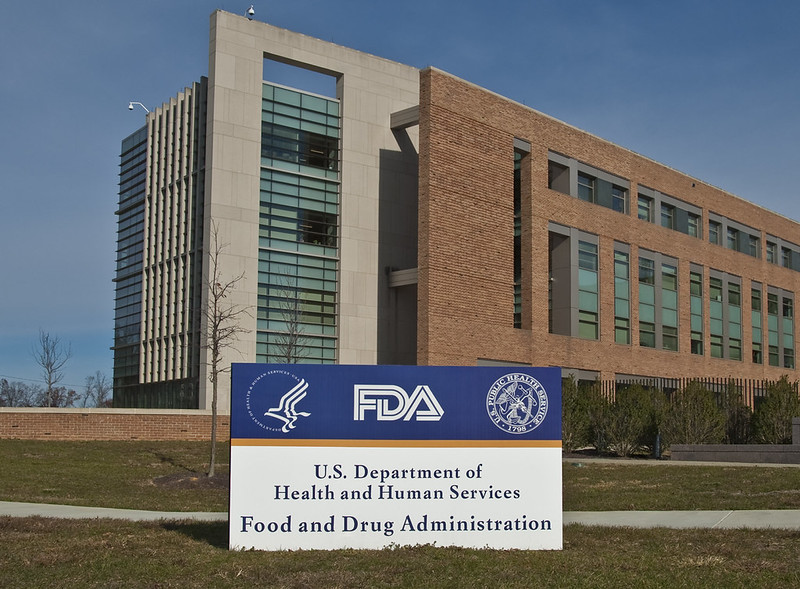
Top image: The building at the U.S. Food and Drug Administration that houses the Center for Drug Evaluation and Research. Photo: FDA


 Not a Doctor
Leave a comment