And how climate change and large-scale industrial agricultural amplify outbreaks.
Scientists often debate where the next pandemic will come from and what virus will cause it, but they tend to agree on one thing: At some point, the world will see another flu pandemic, I reported recently for Sierra Magazine.
“If you go back in history, there are a lot of flu pandemics,” said Jennifer Nuzzo, professor of epidemiology and director of the Pandemic Center at Brown University School of Public Health. “Pandemics happen somewhat regularly.”
Strains of flu that jump from animals to people and cause severe illness and death are the most worrying types.
When it comes to the H5N1 outbreak, migratory birds have gotten a bad rap for spreading the virus, but it’s increasingly becoming clear that human activity is what makes outbreaks really explode.
The role of farming
H5N1 has a long history with poultry farms. Bird flu was first identified on a chicken farm in Scotland in 1959, and it began drawing more attention when it spread from a goose farm to people in Guangdong, China, in 1996, as I reported for The New Republic last year.
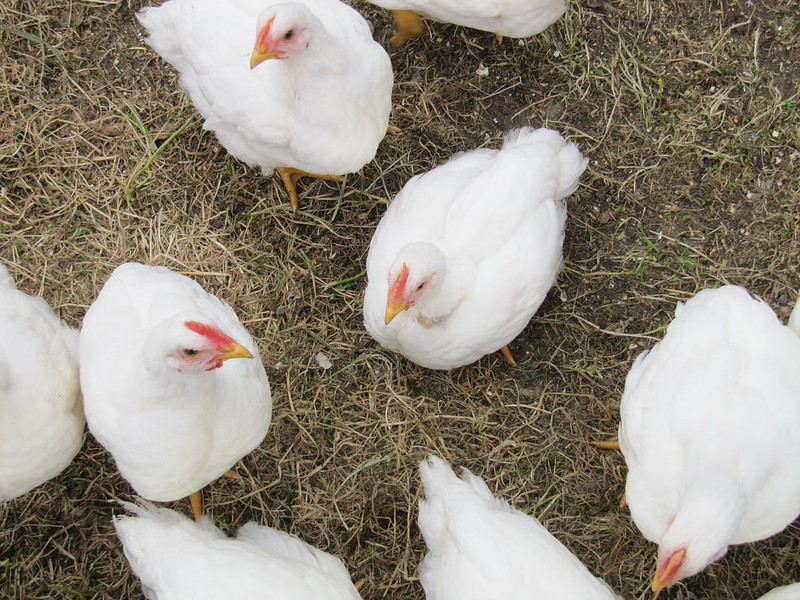
Large industrial farms known as concentrated animal feeding operations (CAFOs) keep thousands of animals in close quarters, making them a significant breeding ground for viruses and mutations of those viruses.
“Think about the scale, the numbers of animals within which there are millions to billions of viral copies, which are all reassorting, every second, every minute of every day,” said Christopher Heaney, an associate professor focused on environmental health, epidemiology, and international health at Johns Hopkins University.
“The challenge with the production of so many animal species in confinement conditions is that that represents such a high-magnitude reservoir for a virus like this.”
That’s why it’s especially important for officials and farm owners to prioritize and protect agricultural workers who frequently come into contact with animals and who may be at risk of getting very sick and passing the virus on to others, Heaney said.
Not a Doctor is 100% free. Sign up now for more updates on health, science, and technology.
The role of climate change
People are also reshaping the planet in unprecedented and worrying ways.
That happens through agriculture and deforestation, which means we’re coming into closer contact with new species (and new pathogens). And it happens because with rapidly warming temperatures driven by fossil fuels, which may further drive the spread of new diseases, as I reported for The New Republic in 2022.
As humans come into closer contact with more animals, it increases the likelihood of spillover, which happens when a virus moves into a new host.
“The conditions that give rise to new viruses that can go on to cause pandemics—those conditions are increasing,” Nuzzo said. ”So the cadence that we saw in previous centuries could very well increase due to changing environmental conditions that make it easier for new viruses to spill over.”
As I mentioned yesterday, everyday people can ask their elected officials to take these actions and to invest in public health before the next crisis hits. Have you heard of the 5 Calls app?
If you found this helpful, please share on social media or forward to a friend!
Top photo: Loozrboy
 Not a Doctor
Leave a comment